
Chlamydia Testing and Treatment in Houston
Private Testing With On-Site Treatment Options
Chlamydia often has no noticeable symptoms, making testing important after possible exposure or when screening is recommended. At Rapid STD Houston, our providers review your symptoms and health history to determine the right test. We use accurate NAAT testing methods, with fast results and treatment options available when appropriate.
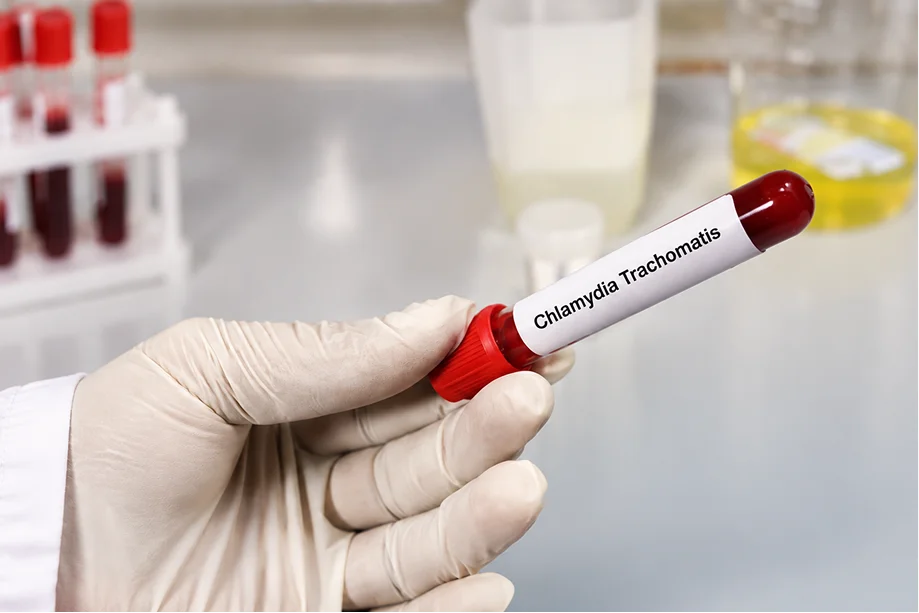
The Short Version
Chlamydia Testing at a Glance
Quick testing information to understand symptoms, testing methods, and treatment options available at Rapid STD Houston.
Symptoms
Many people have no symptoms, but signs may include discharge, burning, or pelvic discomfort.
Test Type
NAAT testing uses urine or swab samples to accurately detect chlamydia infection with reliable results.
Window Period
Testing timing depends on when exposure occurred and your individual health circumstances.
Turnaround
Rapid testing options provide results based on your selected testing process and provider guidance.
If Positive
Antibiotic treatment is available after physician evaluation and depends on your specific health needs.
Understanding the Infection
What Chlamydia Testing Is and Why It Hides
Chlamydia is a common bacterial infection that often does not cause noticeable symptoms. Testing helps identify infections early so appropriate treatment can be provided.
A simple urine sample or swab can help detect chlamydia. Our providers review your situation and recommend the right testing approach based on your symptoms, exposure history, and health needs.
Symptoms Women May Notice
Symptoms Men May Notice
Symptoms Are Not Always a Reliable Sign
Many people with chlamydia have no symptoms. Testing is the only way to know your status after possible exposure or when screening is recommended.
Screening Guidance
Who Should Get a Chlamydia Test
Current CDC screening guidance is specific about who needs routine testing rather than testing only when something feels off.
Site matters. A urine test will not detect an infection in the throat or rectum. If you have had oral or anal sex, tell your Licensed Physician so the right sites are swabbed. This is a common gap at clinics that run urine only screening.
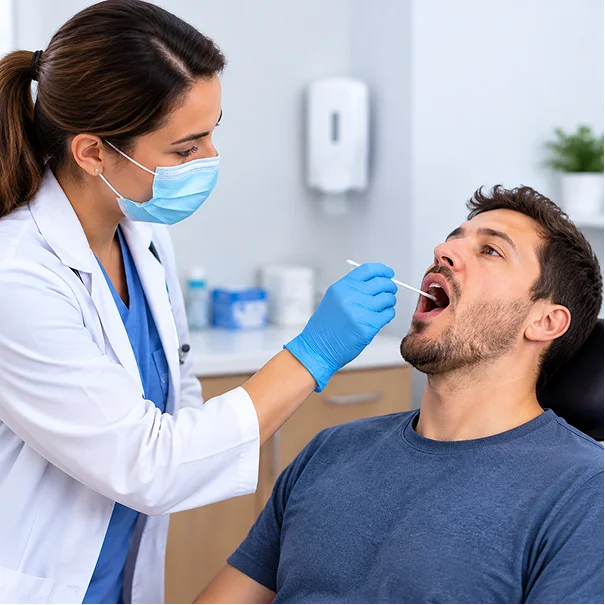
Your Visit AT RAPID STD HOUSTON
How Chlamydia Testing Works Here
Four steps, most of them faster than the drive over.
Check In
Share your symptoms, exposure details, and health information with our team.
Physician Evaluation
A licensed provider reviews your situation and recommends the appropriate test.
Give the Sample
Testing may involve a urine sample or swab depending on your circumstances.
Results and Next Steps
Your provider explains your results and discusses treatment options when needed.
Reading Your Result
What Your Result Actually Means
Negative
A negative result means chlamydia was not detected at the time of testing. Your provider can discuss whether additional testing is needed.
Positive
A positive result means chlamydia was detected. Treatment options will be discussed with you by a healthcare provider.
Retest in Three Months
Complete your medication as directed and avoid sexual activity until treatment is completed and partners have been treated.

If You Test Positive
Chlamydia Treatment On Site
Chlamydia is treated with antibiotics prescribed by a healthcare provider. The recommended medication depends on your health history, pregnancy status, and other clinical factors.
For many nonpregnant adults, CDC recommends doxycycline for seven days. Your physician will determine the appropriate treatment plan for your situation.
We also handle partner notification. Where Texas law allows it, we can provide expedited partner therapy so your partner is treated without waiting weeks for their own appointment. That is the fastest way to stop the infection bouncing back to you.
IF Left Untreated
Why Untreated Chlamydia Should Be Addressed
Without treatment, chlamydia may lead to health complications. Early testing and appropriate treatment can help reduce these risks.
In Women
Untreated infection may increase the risk of pelvic inflammatory disease and related reproductive health complications.
In Men
Untreated chlamydia can cause complications affecting reproductive health and overall wellness.
In Pregnancy
Chlamydia during pregnancy may require medical attention to reduce potential risks for parent and baby.
Questions
Chlamydia Testing Questions
Get Chlamydia Testing in Houston Today
Schedule confidential testing with physician evaluation, accurate testing methods, and treatment options available when appropriate.